Mulch is an essential component for any garden or landscape, offering a range of benefits that enhance plant growth and health. When selecting mulch, it’s important to consider its impact on soil temperature and moisture retention. By suppressing weeds and maintaining soil moisture, mulch can significantly reduce the need for frequent watering.
Understanding these benefits will guide you in choosing the right type of mulch for your specific needs. Thorough research into the properties of different mulches will empower you to make informed decisions for your garden.
Not all mulches are created equal, so understanding their differences is key to maximizing their benefits. Organic options, such as pine bark or wood chips, decompose over time, enriching the soil. Meanwhile, inorganic choices like stones or rubber provide a longer-lasting cover but do not improve soil health directly. The choice between organic and inorganic mulch should be based on your gardening goals and the specific requirements of your plants. Investing time in evaluating the pros and cons of each type will help you achieve a beautiful, sustainable landscape.
Another crucial aspect of choosing mulch is considering its aesthetic impact. Mulch can significantly enhance the visual appeal of your garden by adding color and texture. For example, red or black mulches can create striking contrasts against the greenery of plants. The choice of mulch can also complement the overall theme of your garden, whether you prefer a natural look or a more polished, contemporary style. Balancing functionality and aesthetics is essential to cultivating a garden that is both beautiful and thriving.
Preparing Your Garden for New Mulch
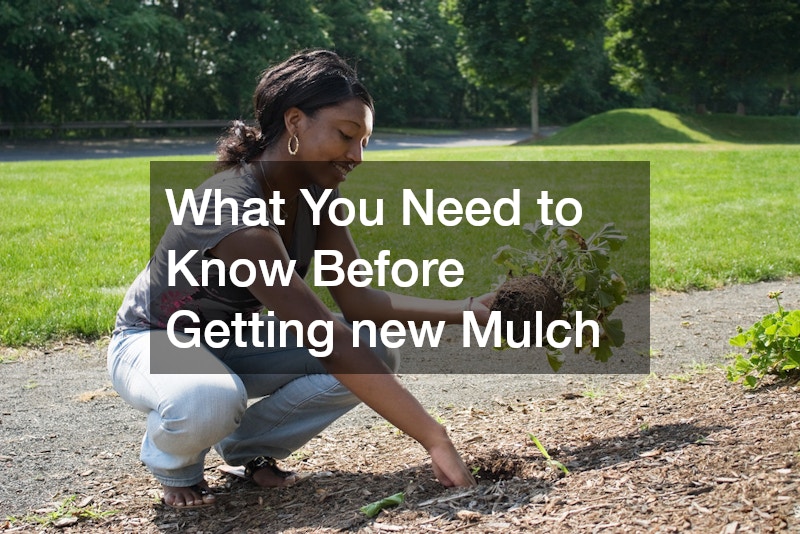
Before applying new mulch, it is essential to prepare your garden properly to maximize its benefits. Start by clearing the area of any existing weeds and debris to ensure a clean, weed-free foundation. Removing old mulch that has already decomposed will provide your garden with a fresh, new surface. This process not only prevents pests and diseases from lingering but also allows the new mulch to adhere effectively. Preparing the soil adequately will make it easier for the mulch to offer its full benefits in retaining moisture and suppressing unwanted growth.
Once the area is clean, it’s important to test and, if necessary, amend the soil. Conducting a soil test provides valuable insights into its nutrient levels and pH, allowing you to make necessary adjustments. By adding compost or organic matter, you can enhance the soil structure, ensuring it is fertile and capable of supporting healthy plants. Preparing the soil before introducing mulch will create an optimal growing environment that benefits from the additional protective layer. Proper soil preparation is an investment that pays off through improved plant growth and garden health.
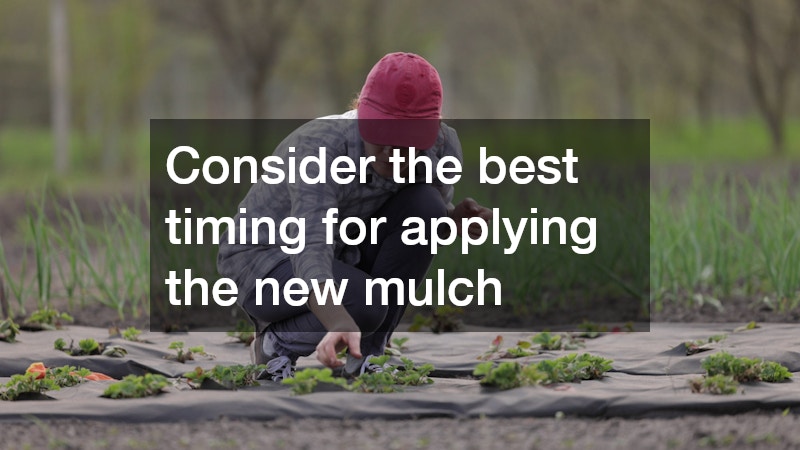
Following soil preparation, consider the best timing for applying the new mulch. Ideally, mulching should be done in late spring or early summer when the soil has warmed up but retains moisture. Mulching at this time helps maintain the soil temperature and reduces the likelihood of plant stress during hot weather. However, in colder climates or for specific plant needs, it might be appropriate to apply mulch in fall to protect plant roots from freezing. Understanding the right timing for mulching can significantly influence the success of your garden throughout the seasons.
Maintaining Mulch for Optimal Results
After applying new mulch, regular maintenance is crucial to ensure its effectiveness and appearance. Periodically check the mulch layer for signs of compacting or displacement, and redistribute it as needed. Raking may also be necessary to freshen up compacted mulch, preventing it from becoming too dense and restricting water and air flow to the soil. Consistent maintenance helps prevent potential issues, such as pests nesting in the mulch or fungal growth spreading to your plants. By staying proactive, you’ll enjoy the continued benefits of mulch in your garden.
Another important aspect of mulch maintenance is its replenishment. Over time, organic mulches break down and decompose, requiring a fresh layer to maintain their effectiveness. By routinely adding a thin layer of new mulch, usually once a year, you ensure optimum weed suppression and moisture retention. Keeping the mulch at the recommended depth, typically 2-3 inches, is critical to avoiding any negative impacts on plant health. Regular replenishment not only maximizes mulch benefits but also keeps your garden looking pristine.
Finally, monitor the health of your plants and soil to assess how well the mulch is performing in your garden. Healthy, vibrant plants and consistent soil moisture levels indicate that the mulch is effectively doing its job. If you notice wilting or other signs of distress, it might be necessary to adjust the mulch or investigate other underlying issues. Observing your garden and responding to changes ensures that your mulching strategy remains beneficial in the long term. By taking a holistic approach, your garden will thrive under your diligent care.