
Managing a modern household often feels like running a small business. Between demanding career schedules, family commitments, and personal pursuits, homeowners face a constant barrage of property maintenance demands. The mental tax of tracking leaky faucets, drafty rooms, outdoor upkeep, and unexpected mechanical breakdowns can quickly transform homeownership from a point of pride into an overwhelming source of daily stress.
The traditional approach to home maintenance is reactive: waiting for a pipe to burst, a roof to leak, or an appliance to fail before taking action. This strategy inevitably leads to high-priced emergency repairs, ruined weekends, and unnecessary frustration. Shifting to an organized, systemized home management strategy allows you to protect your investment, optimize energy efficiency, and reclaim your personal time. This guide provides a practical, step-by-step roadmap to delegating specialized tasks, automating routine upkeep, and creating a smooth-running living space.
Securing and Automating Physical Entry Points

Your home’s entry points are the first line of defense for physical security and the primary focal points of your daily transit. Streamlining how your family enters and exits the property removes small daily frictions while significantly raising your security posture.
Modernize Exterior Locks for Keyless Convenience
Juggling physical brass keys while carrying groceries, managing children, or handling pets creates unnecessary daily hassle. Modern keyless access solutions allow you to manage home entry with total precision and complete visibility.
-
Digital Keypad and Touchscreen Entry: Replace standard mechanical deadbolts with electronic locks featuring backlit keypads or fingerprint scanners for rapid, key-free access.
-
Temporary Access Codes: Generate unique, temporary digital pin codes for dog walkers, house sitters, or repair technicians that expire automatically after a set window.
-
Audit Trail Visibility: Connect smart locks to your central mobile app to receive instant notifications whenever an entry point is unlocked, providing peace of mind when kids arrive home from school.
-
Professional Security Audits: Consult a certified local locksmith to audit exterior doors, evaluate door frame strike plates, and ensure lock hardware is installed to commercial grade standards.
Upgrading your entry hardware modernizes your door surrounds while eliminating the security risk of lost keys. Partnering with a security specialist ensures your keyless transition preserves physical door integrity against forced entry.
Upgrade Overhead Access and Operational Safety
The main garage vehicle door is often the most heavily used entry point in a modern home. Ensuring its mechanical operation is quiet, smooth, and remotely controllable prevents morning delays and keeps your property secure.
-
Smart Belt-Drive Openers: Upgrade noisy chain-driven mechanism units to ultra-quiet, belt-driven overhead openers equipped with built-in Wi-Fi connectivity and battery backup systems.
-
Remote Status Monitoring: Utilize mobile applications to verify door position status remotely, eliminating the common panic of wondering whether you remembered to close the main door after leaving.
-
Geofencing Auto-Operations: Set up geofencing routines that automatically trigger overhead lighting and open main entry bays as your vehicle enters your neighborhood radius.
-
Mechanical Health Checks: Regularly inspect lifting cables, safety photo-eyes, and track alignment, replacing worn rollers or scheduling professional balance adjustments for your garage door when movement stutters.
Automating main entry points provides seamless access while protecting heavy mechanical components from premature wear. Keeping track systems calibrated guarantees safe, reliable access every day.
Optimizing Thermal Efficiency and Indoor Air Quality

Creating a comfortable, healthy indoor climate is fundamental to daily well-being. Optimizing your home’s thermal shell and indoor air management lowers monthly utility expenses while insulating your family from outdoor pollutants and seasonal temperature swings.
Seal Building Envelope Leaks to Eliminate Drafts
Unsealed gaps in your home’s exterior shell allow conditioned indoor air to escape while drawing in humid, unconditioned outdoor air. Sealing these gaps stabilizes indoor temperatures and reduces strain on heating and cooling equipment.
-
Targeted Attic Sealing: Seal plumbing stack penetrations, recessed light cans, and attic access hatches where rising warm air escapes during colder months.
-
Crawlspace Vapor Barriers: Lay heavy plastic sheeting over exposed earth in crawlspaces to block ground moisture from migrating upward into living areas.
-
Professional Wall Insulation: Hire an experienced insulation contractor to inject high-density dense-pack cellulose or spray foam into uninsulated exterior wall cavities to eliminate cold spots.
-
Perimeter Caulking Upgrades: Apply high-grade elastomeric sealant around exterior window frames, hose bibs, and dryer vents to block air infiltration.
Fortifying your home’s thermal boundary creates a comfortable indoor environment year-round. Investing in professional envelope insulation reduces annual heating and cooling costs significantly.
Implement Advanced Indoor Air Scrubbing Systems
Indoor air can trap concentrations of dust, pet dander, volatile organic compounds, and pollen. Active air purification systems keep indoor environments clean and protect respiratory health.
-
High-MERV HVAC Filtration: Upgrade standard thin fiberglass furnace filters to pleated MERV 11 or MERV 13 filters capable of capturing sub-micron particles.
-
Whole-Home Purification Systems: Integrate dedicated air filtration systems directly into central supply ductwork to scrub recirculating air continuously using electronic precipitation or UV-C light.
-
Automated Humidity Control: Install whole-house humidifiers or dehumidifiers tied to smart sensors to maintain indoor relative humidity between 30 and 50 percent.
-
Zone-Specific Air Scrubbers: Place standalone HEPA filtration units in primary bedrooms and home offices to maintain pristine air quality in spaces where you spend consecutive hours.
Active air scrubbing reduces surface dust buildup and eliminates airborne allergens. Combining whole-home duct purifiers with quality filters ensures clean air in every room.
Streamlining Interior Hygiene and General Maintenance
Keeping an entire house clean, organized, and structurally sound requires steady effort. Outsource routine housekeeping and minor repair tasks to reclaim your weekends for family and leisure.
Delegate Deep Housekeeping to Reclaim Personal Time
Deep house cleaning demands hours of manual labor every week. Outsourcing deep cleaning tasks keeps your home spotless without consuming your valuable free time.
-
Tailored Maintenance Schedules: Set up recurring bi-weekly or monthly visits covering heavy cleaning chores like shower scrub-downs, kitchen grease removal, and baseboard dusting.
-
Customized Task Directives: Focus professional cleaning efforts on high-traffic common areas, bathrooms, and kitchens while keeping private offices or storage rooms off-limits.
-
Sanitation Protocol Assurance: Hiring a dependable local cleaning service ensures surfaces are sanitized using professional-grade supplies and high-efficiency HEPA vacuum systems.
-
Pre-Event Deep Cleans: Schedule specialized deep cleaning visits before hosting holiday events or family gatherings to prepare guest spaces effortlessly.
Delegating heavy house cleaning frees up hours of weekend personal time while maintaining high sanitary standards throughout high-traffic living zones.
Outsource Small Fixes to Prevent Household Backlogs
Minor home issues—like loose cabinet hinges, minor drywall dings, sticking doors, or unmounted art—can accumulate into an overwhelming to-do list. Consolidating these tasks keeps your home operating smoothly.
-
Master Task Batching: Maintain a running digital list of non-emergency household repairs, hardware updates, and fixture installs as they arise.
-
Hardware and Trim Adjustments: Re-hang sagging interior doors, adjust cabinet drawer slides, and replace worn weatherstripping in a single productive visit.
-
Safety Fixture Installations: Mount heavy wall mirrors, TV brackets, baby gates, and closet shelving units securely into wall studs.
-
Reliable Handyman Support: Contract an established handyman business to clear out your batched punch list in one organized morning or afternoon session.
Batching minor home fixes prevents small mechanical flaws from degrading your daily living environment. Working with a versatile repair professional keeps your property in top condition.
Safeguarding Core Plumbing and Waste Systems
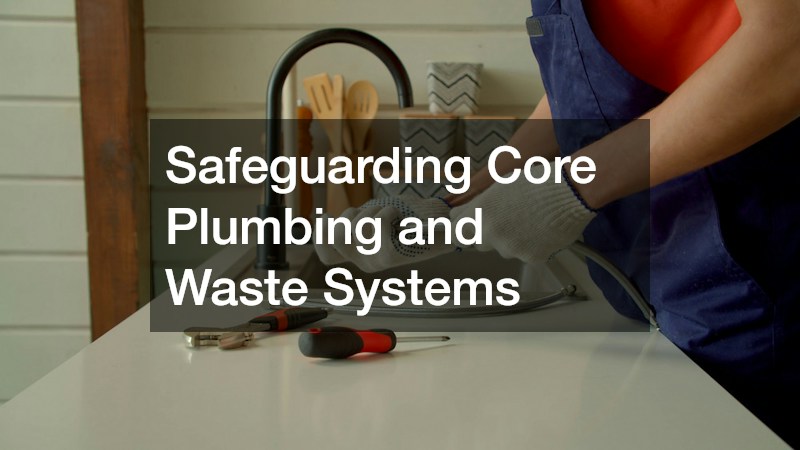
Plumbing emergencies can cause immediate, costly structural damage. Proactive monitoring and preventive maintenance on water supply lines and waste drains shield your home from unexpected flooding and sewer backups.
Establish Preventative Drainage Maintenance Routines
Slow drains are early warning signs of accumulating organic matter, hair, soap scum, and grease. Clearing drain lines before full blockages form prevents messy sink overflows and pipe damage.
-
Enzyme-Based Line Treatments: Run non-corrosive organic enzyme cleaners down bathroom and kitchen drains monthly to break down buildup without damaging pipe walls.
-
Sink and Shower Strainers: Install stainless steel mesh strainers over all shower and tub drains to catch hair and debris before it enters main lines.
-
Mechanical Buildup Removal: Schedule professional drain cleaning using hydro-jetting or motorized augers to remove stubborn tree root intrusion and heavy mineral scale from main lines.
-
Disposal System Flushing: Clean kitchen garbage disposals regularly using ice cubes, coarse salt, and citrus peels to remove lingering food residue and prevent odor.
Routine drain clearing keeps waste lines running freely and prevents sudden sink backups. Professional line cleaning removes stubborn grease and mineral deposits before they cause complete blockages.
Perform Routine Inspections on Underground Main Lines
Main sewer lines carry all household waste away from your property to municipal connections or septic tanks. Underground pipe failures can cause serious property damage if left unaddressed.
-
Video Pipe Inspections: Run high-resolution fiber-optic cameras through main cleanout access points annually to evaluate pipe slope, joints, and wall integrity.
-
Root Intrusion Management: Identify fine root intrusion early and treat main lines with root-inhibiting foams before roots fracture underground clay or cast-iron pipes.
-
Cleanout Access Protection: Ensure main exterior sewer cleanout caps remain exposed, marked, and undamaged by lawnmowers or landscaping projects.
-
Underground Line Care: Partner with an experienced sewer service team to repair offset pipe joints or install trenchless epoxy liners before main line collapses occur.
Regular sewer line video checks reveal hidden pipe corrosion, soil shifts, and root growth early. Addressing minor underground defects early prevents costly emergency yard excavations.
Protecting Exterior Overhead Structure and Recreation Spaces

Your home’s roof shield and outdoor recreational features require consistent care to withstand seasonal weather changes. Proactive maintenance protects these large assets and keeps your outdoor spaces ready for relaxation.
Maintain Overhead Roof Shields and Drainage Channels
Your roof is the most critical protective barrier against rain, snow, and solar heat. Keeping shingles, flashing, and drainage paths clean prevents moisture from entering your attic and living spaces.
-
Post-Storm Visual Checks: Inspect rooflines from the ground using binoculars after severe wind or hail storms to identify lifted, cracked, or missing shingles.
-
Flashing and Sealant Maintenance: Inspect rubber boots around plumbing vent pipes, chimney flashing, and skylight seals for cracking or UV degradation.
-
Gutter and Downspout Clearing: Clean leaves and debris from gutter troughs twice annually to ensure rainwater flows freely away from foundation walls.
-
Professional Roof Inspections: Schedule routine annual roof audits with a trusted local roofing company to catch subtle shingle wear, soft decking, or flashing gaps early.
Proactive roof management prevents minor shingle damage from turning into costly interior ceiling leaks. Regular professional inspections extend overall roof life and protect your home’s structure.
Automate Outdoor Aquatic Care and Water Sanitation
Backyard pools provide wonderful summer recreation, but manual skimming, vacuuming, and chemical testing can feel like a full-time job. Automating water care ensures safe, crystal-clear swimming water all season long.
-
Robotic Surface and Floor Cleaners: Deploy programmable robotic pool vacuums to scrub pool floors and skim surface debris automatically every morning.
-
Automated Chemical Dosing: Install automated salt-chlorine generators or digital chemical dosers to maintain steady sanitation levels without daily chemical handling.
-
Seasonal Servicing Schedules: Outsource backwashing, filter cleaning, heater checks, and seasonal openings to a dedicated pool cleanings technician to keep equipment running smoothly.
-
Variable-Speed Pump Settings: Program energy-efficient variable-speed circulation pumps to run at low speeds continuously, reducing electricity costs while keeping water filtered.
Automating pool care maintains clean, balanced water without requiring daily manual testing. Outsourcing specialized equipment servicing keeps pumps and filtration units running efficiently.
The Strategic Home Management Roadmap
Streamlining home care requires prioritizing tasks based on safety, structural risk, and personal lifestyle benefits. Taking a phased approach prevents feeling overwhelmed and establishes a smooth management routine.
-
Phase 1: Security, Water Protection, and Utility Safety
-
Upgrade main entry locks to keyless smart systems and inspect garage door safety sensors.
-
Schedule video sewer camera inspections and clear main line drainage paths.
-
Audit roof flashing, clear gutters, and check attic insulation levels.
-
-
Phase 2: Indoor Air Quality and Envelope Optimization
-
Install high-efficiency HVAC air filters and evaluate whole-home purification options.
-
Seal window frames, exterior wall penetrations, and attic access hatches.
-
Set up automated pool sanitation systems and program variable-speed filtration pumps.
-
-
Phase 3: Housekeeping Delegation and Routine Repairs
-
Establish a recurring schedule with a professional home cleaning team.
-
Create a master punch list for minor household fixes and schedule a handyman visit.
-
Organize seasonal maintenance schedules across all major mechanical systems.
-
Organizing home upgrades into structured phases helps you handle critical safety and utility needs first. Establishing routine maintenance schedules protects your property and reduces daily stress.
Managing a modern home successfully doesn’t mean doing every chore yourself. By shifting from reactive emergency repairs to an organized home management system, you transform your house into a low-stress, efficient sanctuary. Prioritize upgrading physical security, optimizing energy performance, and protecting core plumbing and roof structures first. Outsource routine house cleaning, minor repairs, and specialized pool care to trusted professionals so you can reclaim your weekends. Step by step, these smart management strategies will preserve your property value, lower operating costs, and give you back valuable time to enjoy your home.