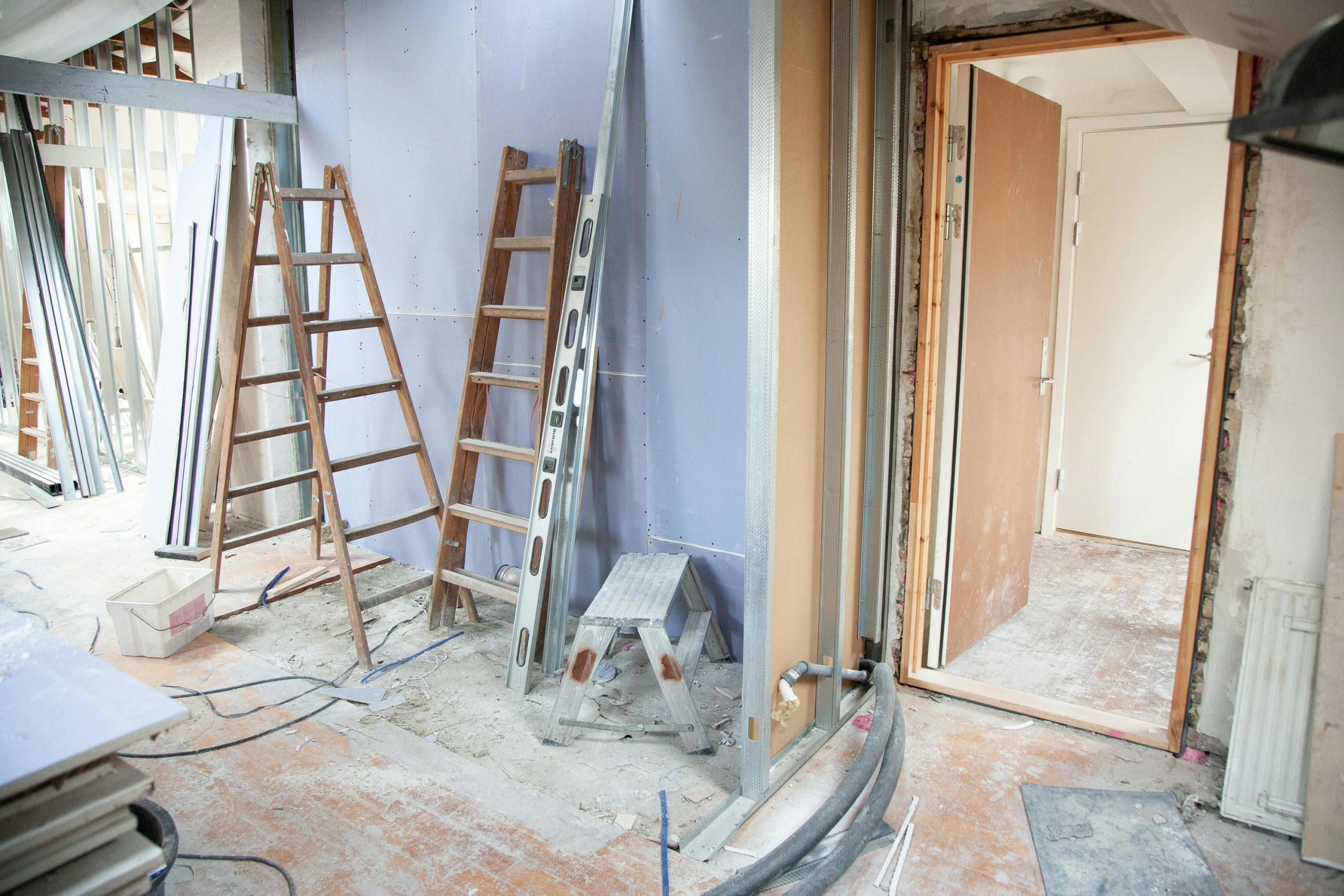
Refreshing a home can be an opportunity to improve its appearance, make everyday routines more convenient, and create spaces that better reflect changing needs. Over time, finishes become worn, layouts may feel less practical, and outdoor areas can require attention. Even relatively small updates can change how a room looks and functions. Whether homeowners are considering a few cosmetic improvements or planning larger renovations, thoughtful decisions can help create a more comfortable and inviting property.
Before beginning a project, it helps to identify which areas need attention and establish a realistic plan. Some improvements focus primarily on appearance, while others address functionality, maintenance, or long-term durability. Homeowners should also consider how individual projects relate to one another, especially when several updates are planned. By evaluating both interior and exterior spaces, property owners can develop a coordinated approach to creating a home that feels refreshed, functional, and welcoming.
Updating Kitchen Surfaces for a Fresh Appearance

The kitchen is one of the most frequently used areas of a home, so its appearance and functionality can influence everyday comfort. Worn surfaces, outdated finishes, and limited workspace can make the room feel less inviting. Updating kitchen materials can provide a noticeable improvement without requiring a complete renovation. Homeowners can begin by identifying which features are outdated, damaged, or difficult to maintain.
Replacing a countertop is one way to change the appearance of a kitchen. Available materials include granite, quartz, laminate, marble, and solid surface options. Each material has different characteristics related to durability, maintenance, appearance, and cost. For example, some natural stone surfaces require periodic sealing, while certain engineered materials offer relatively simple cleaning requirements.
Color and finish selection also influence the overall appearance of the room. Light-colored surfaces can create a brighter look, while darker materials can provide contrast against cabinets and walls. Homeowners should consider how the selected material coordinates with existing flooring, backsplashes, appliances, and cabinetry. Looking at samples under the kitchen’s actual lighting conditions can help prevent unexpected differences between showroom displays and the finished installation.
Practical considerations are just as important as appearance. Families who prepare meals frequently may prioritize surfaces that resist stains and withstand regular use. Others may prefer materials that require minimal upkeep. Measuring the available space, reviewing edge profiles, and discussing installation requirements with a qualified contractor can help homeowners make informed decisions. A carefully selected surface can give the kitchen a refreshed appearance while supporting everyday activities.
Improving Everyday Comfort With Plumbing Upgrades
Plumbing fixtures and systems contribute to the comfort and convenience of daily household routines. Faucets, sinks, toilets, showers, and water heaters all receive regular use, so aging or malfunctioning components can affect how well a home functions. Addressing plumbing concerns can also help prevent water damage and reduce disruptions caused by leaks or inconsistent water pressure.
Homeowners can begin by checking fixtures for visible wear, corrosion, dripping, or loose connections. A faucet that continually leaks or a toilet that runs between uses can waste water and increase utility costs. Older fixtures may also lack the features or efficiency of newer models. Replacing outdated components can improve usability while giving bathrooms and kitchens a more updated appearance.
Working with a local residential plumber can help homeowners evaluate plumbing concerns and determine which improvements are appropriate. A qualified professional can inspect visible plumbing components, identify potential problems, and explain available repair or replacement options. More extensive projects may involve updating supply lines, addressing drainage issues, replacing water heaters, or improving fixture connections.
Water pressure and drainage are additional considerations. Low pressure can make showers and other household tasks less convenient, while slow drains may indicate buildup or a problem within the plumbing system. Persistent issues should be evaluated rather than repeatedly addressed with temporary solutions. Homeowners planning kitchen or bathroom renovations should also consider plumbing requirements before selecting fixtures or finalizing layouts. Coordinating these improvements early can help prevent installation delays and unnecessary modifications later.
Creating More Space for Work and Relaxation
As household needs change, the way homeowners use their living spaces can change as well. A room that once served as storage might become a home office, while an unused portion of a property could offer an opportunity for a workshop, guest area, or recreational space. Creating additional usable space can help a home accommodate different activities without requiring homeowners to move.
Some property owners consider larger construction projects when existing layouts no longer meet their needs. Barndominiums, for example, combine residential living areas with flexible spaces that can accommodate storage, hobbies, workshops, or other uses. Their layouts can be adapted to different property requirements and household preferences, depending on the design and local building regulations.
When researching local barndominium builders, homeowners should consider experience, construction methods, design capabilities, and familiarity with local permitting requirements. It is also important to discuss the intended use of the structure before construction begins. A building designed primarily for residential living may have different insulation, ventilation, plumbing, and electrical requirements than one intended to include a large workshop or storage area.
Planning should include the building site, access points, utilities, drainage, and future maintenance needs. Homeowners should also establish a realistic project budget that accounts for site preparation, materials, labor, permits, and interior finishes. Reviewing plans and construction details before work begins can help clarify expectations and reduce the likelihood of costly changes. A well-planned addition or separate structure can provide flexibility while making better use of available property space.
Maintaining Healthy Trees and Attractive Landscaping

Landscaping plays an important role in a home’s overall appearance. Trees, shrubs, flower beds, and lawns contribute to the character of a property, but they require regular attention to remain healthy and manageable. Overgrown branches, damaged limbs, and declining plants can affect both appearance and outdoor safety.
Tree maintenance should be part of a property’s regular care plan. Branches that extend over roofs, driveways, or walkways may require attention, particularly when they become damaged or interfere with nearby structures. Dead or weakened limbs can also present hazards during storms or periods of strong wind. Homeowners should avoid attempting complicated tree work without the appropriate training and equipment.
An arborist can evaluate tree health, identify signs of disease or structural problems, and recommend suitable maintenance. Depending on the condition of the tree, recommendations may include pruning, monitoring, treatment, or removal. Professional assessments can also help homeowners understand whether a tree’s location, root system, or growth pattern creates concerns for nearby structures and utilities.
Landscaping improvements can extend beyond tree care. Replacing overgrown shrubs, adding seasonal plants, refreshing mulch, and defining garden borders can create a more organized appearance. Homeowners should consider sunlight, soil conditions, drainage, and watering requirements when selecting plants. Choosing vegetation suited to the local climate can reduce maintenance demands and help outdoor areas remain attractive throughout the year. Consistent care allows landscaping to complement other home improvements while supporting the property’s overall appearance.
Refreshing Outdoor Areas With Durable Surfaces
Outdoor spaces can become more functional and inviting when their surfaces are properly maintained. Driveways, walkways, patios, and other paved areas receive regular exposure to weather, vehicle traffic, and everyday use. Over time, these conditions can contribute to cracks, surface deterioration, uneven sections, and drainage problems.
Homeowners should periodically inspect paved areas for signs of damage. Small cracks can develop into larger problems when moisture enters the surface and temperature changes cause expansion and contraction. Uneven walkways can also create tripping concerns, especially around entrances and frequently used paths. Addressing visible damage early can help prevent more extensive repairs.
Professional paving services can address different surface needs, depending on the property’s layout and the condition of the existing materials. Projects may involve installing new pavement, repairing damaged sections, resurfacing an existing driveway, or creating additional paved areas. The appropriate approach depends on the surface material, underlying conditions, drainage, and intended use.
Before beginning a project, homeowners should consider how the finished surface will connect with surrounding features. Driveway entrances, garage access, walkways, landscaping borders, and water drainage all influence the design. Proper site preparation is also important because the condition of the underlying base can affect the durability of the finished surface. Discussing material choices, maintenance expectations, and project requirements with a qualified contractor can help property owners select an option that suits their needs.
Adding Shade and Style to Outdoor Living Spaces
Outdoor living areas can provide additional room for relaxation, meals, and gatherings. However, direct sunlight and changing weather conditions can make patios, decks, and other spaces less comfortable at certain times of the day. Adding shade can improve how these areas function while introducing another design element to the property.
Awnings are one option for providing shade near windows, doors, patios, and decks. Depending on the design, they can also help limit direct sunlight entering the home. This may reduce glare and help manage indoor temperatures in areas that receive substantial sun exposure. Available styles include fixed and retractable models, with different materials, colors, and operating features.
Homeowners comparing local awning companies should consider product construction, installation requirements, material durability, and available customization options. The size and placement of an awning should correspond with the area it is intended to cover. Property owners should also consider wind exposure, mounting surfaces, and maintenance requirements before selecting a design.
The surrounding outdoor layout can influence the placement and appearance of shade structures. An awning should complement nearby siding, trim, windows, and outdoor furnishings. Homeowners may also want to coordinate shade improvements with patio furniture, lighting, and landscaping updates. With thoughtful planning, these additions can make outdoor areas more comfortable and visually consistent with the rest of the property.
Creating a Fun and Inviting Backyard for Children

A backyard can serve as an extension of the home’s living space, especially for households with children. Creating a designated play area gives children a place to enjoy outdoor activities while helping keep toys and recreational equipment organized. The layout should account for the available space, children’s ages, and the type of activities the family wants to accommodate.
A swing set can be a useful addition to a residential play area. Available designs range from simple structures with a few swings to larger play systems that include slides, climbing features, and platforms. Homeowners should compare materials, dimensions, weight limits, and age recommendations when selecting equipment. The structure should also fit comfortably within the yard without interfering with walkways, fences, trees, or other outdoor features.
Safety should guide the placement and installation process. Manufacturers provide instructions regarding assembly, anchoring, clearance areas, and appropriate surfacing. Homeowners should follow these requirements and inspect the equipment periodically for loose hardware, damaged components, and signs of wear. Protective ground materials can also help reduce the risk of injury from falls.
The surrounding area deserves attention as well. A level installation surface, adequate drainage, and clear boundaries can help create a more organized play space. Families may also consider adding seating nearby so adults can supervise children comfortably. Planning the play area alongside other landscaping and outdoor improvements can help maintain a balance between recreation, relaxation, and usable yard space.
Preparing Outdoor Surfaces for a Thorough Cleaning
Exterior surfaces gradually collect dirt, dust, pollen, and other debris. Patios, sidewalks, decks, fences, and driveways can develop discoloration that affects the property’s appearance. Regular cleaning can help maintain these surfaces and make outdoor areas feel more inviting.
Before starting a cleaning project, homeowners should identify the materials involved. Concrete, wood, vinyl, brick, and other exterior materials have different cleaning requirements. A method suitable for a concrete driveway could damage a softer surface if the pressure or cleaning solution is too strong. Checking manufacturer recommendations and understanding the material’s condition can help prevent unnecessary damage.
For homeowners considering a pressure washer rental, equipment selection is an important part of preparation. Pressure washers vary in their power, water flow, and available attachments. The appropriate model depends on the cleaning task, surface material, and amount of buildup. Users should understand how to operate the equipment safely before beginning work.
Preparation also involves clearing the area and protecting nearby features. Outdoor furniture, decorations, electrical components, and delicate plants may need to be moved or covered. Homeowners should wear appropriate protective equipment and follow the rental provider’s operating instructions. Testing the equipment on a small, less visible area can help determine whether the selected pressure and nozzle are suitable. Careful preparation can make an exterior cleaning project more manageable while reducing the risk of surface damage.
Restoring the Appearance of Exterior Surfaces
Regular exterior maintenance helps preserve a property’s appearance and allows homeowners to identify developing problems. Dirt, algae, mildew, and other environmental buildup can affect siding, walkways, patios, fences, and other surfaces. Cleaning these areas can improve their appearance and help maintain the overall condition of the property.
Professional pressure washing services offer an option for cleaning exterior surfaces with equipment designed for different applications. Depending on the material and level of buildup, a provider may use adjusted pressure, specialized nozzles, or alternative cleaning methods. Some surfaces require lower-pressure techniques to avoid damaging paint, siding, roofing materials, or wood.
Homeowners should consider the condition of the surface before arranging cleaning. Loose paint, deteriorating wood, damaged mortar, and existing cracks may require repairs before washing. Cleaning alone will not correct underlying material problems. Identifying these issues beforehand can help determine whether additional maintenance is necessary.
Professional cleaning can also help address areas that are difficult to reach or require specialized equipment. However, homeowners should ask about the cleaning methods used, the surfaces included, and any preparation required. It is also helpful to understand whether protective measures are taken around plants, outdoor fixtures, windows, and nearby property features. Scheduling periodic exterior maintenance can help keep outdoor spaces looking presentable and make it easier to notice changes that require attention.
Choosing New Flooring to Transform Interior Spaces

Flooring has a significant influence on the appearance and comfort of interior rooms. Worn carpet, outdated patterns, stains, and damaged sections can make otherwise well-maintained spaces look older. Replacing flooring can refresh a room while providing an opportunity to select materials that better suit household routines.
Carpet remains a popular choice for bedrooms, living rooms, and other areas where homeowners want a softer surface underfoot. Available options vary in fiber type, pile height, texture, color, and durability. Some carpets are designed to resist stains, while others emphasize softness or a particular appearance. The appropriate selection depends on foot traffic, pets, children, and maintenance preferences.
Visiting local carpet stores can help homeowners compare samples and understand differences between available products. Looking at physical samples can make it easier to evaluate texture, color, and how a material coordinates with walls, furniture, and existing finishes. Homeowners should also ask about padding, installation methods, warranties, and cleaning recommendations.
Room measurements and subfloor conditions are important parts of the planning process. Uneven or damaged subfloors may need attention before new materials are installed. Furniture removal, transitions between flooring types, and door clearances should also be considered. For households with multiple flooring projects, coordinating selections across connected rooms can create a consistent appearance without making every space look identical.
A thoughtful flooring update can make rooms feel cleaner, more comfortable, and better suited to daily activities. Selecting materials based on both appearance and practical requirements can help homeowners enjoy the results for years.
Giving a living space a fresh new look involves more than choosing updated colors or replacing outdated finishes. A successful home refresh considers how each area looks, how well it functions, and what improvements could make everyday routines more convenient. Kitchen surfaces, plumbing fixtures, flooring, and other interior features all contribute to the comfort and usability of a home. Outdoor updates, including landscaping, paved areas, shade structures, and recreational spaces, can also make a property more enjoyable.
It is also important to consider how individual improvements work together. New outdoor surfaces should complement the surrounding landscaping, while updated interior finishes should coordinate with existing architectural features. Planning these details in advance can create a more consistent result throughout the property. Whether making a few targeted updates or planning a larger renovation, homeowners can create a more comfortable and inviting environment by choosing improvements that support their lifestyle and long-term priorities.