This informative article endeavors to provide a wealth of essential knowledge regarding the intricate subject of roof repair. It is meticulously designed to address a broad array of frequent inquiries while offering a collection of practical tips specifically tailored for homeowners.
When you delve into the specifics of roof repair, you open the door to preventing unexpected financial burdens that could otherwise strain your resources.
A roof is one of the most critical components of your home, serving as the first line of defense against the elements. Neglecting its maintenance can lead to severe structural damage, which may compromise the safety and comfort of your living environment. By gaining a robust understanding of the diverse aspects associated with roof repair, not only are you safeguarding yourself from unforeseen expenses, but you are also significantly enhancing the durability and longevity of your abode.
Informed homeowners are empowered to make strategic decisions that directly impact the lifespan of their roofs. By implementing precautionary measures, you can effectively prevent minor issues from escalating into major problems, thus ensuring that your roof remains in optimal condition for years to come. The strategies outlined in this article are intended to assist you in achieving significant cost savings over the long haul, while also preserving the aesthetic and structural integrity of your home.
Whether you are a seasoned homeowner or just beginning your journey in property management, this article aims to equip you with the knowledge and confidence necessary to tackle roof-related challenges proactively. Explore the tips, acquaint yourself with the common pitfalls, and embrace a proactive approach to maintaining your home’s crown – the roof.
What Are the Common Signs That a Roof Needs Repair?
One of the most noticeable signs that a roof requires repair is the presence of water stains on ceilings or walls. Finding shingles in your yard or sagging roof lines can also indicate that something needs attention. Regular inspections and maintenance can help prevent these issues from proliferating, providing a safer environment for your household.
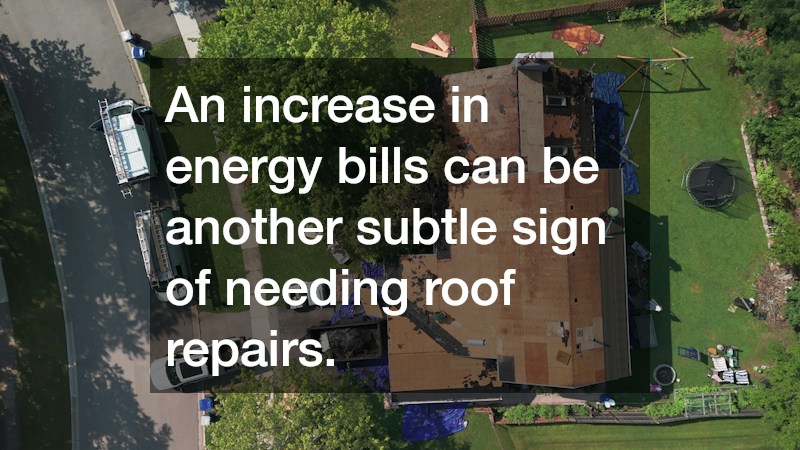
An increase in energy bills can be another subtle sign of needing roof repairs. Damaged roofs can lead to inefficient attic insulation, causing your HVAC system to work harder to maintain temperature. Addressing these hidden issues can enhance energy efficiency, reducing both your environmental footprint and utility expenses.
Decay, mold, and mildew growth can occur when moisture is not properly managed, often pointing to underlying roofing problems. These elements not only impact your home’s structural integrity but also pose health risks, making it important to act quickly. Timely repairs can mitigate these risks, preserving both your property and well-being.
How Do I Choose the Right Materials for Roof Repair?
Selecting the right materials for your roof repair involves understanding the local climate and architectural style of your house. For instance, asphalt shingles are popular due to their affordability and versatility. By matching materials to your specific needs, you ensure effective performance and longevity.
Consulting with roofing professionals can provide insights into materials that offer the best balance of durability and aesthetics. More advanced options like metal roofing or tiles have different benefits and price points that should be carefully evaluated. Investing in high-quality materials upfront often reduces the frequency and cost of future repairs.
Eco-friendly roofing materials, such as cool roofs or solar shingles, can contribute to reducing your energy usage. While the initial investment might be higher, the long-term savings on energy bills and positive environmental impact make them worthy considerations. Ultimately, choose materials that align with your priorities for sustainability and financial practicality.
What Should I Expect During a Roof Repair Process?
The roof repair process typically starts with a thorough inspection to assess the extent of the damage. A clear understanding of the issues allows for accurate planning and cost estimation. Effective communication with your contractor throughout this phase is crucial for a successful outcome.
During the repair work, homeowners should prepare for some noise and disruption, as roofing is an intensive process. Planning the logistics such as yard access and safety precautions in advance can help minimize inconvenience. Keeping open lines of communication with your roofing team ensures a smooth process and timely completion.
Following repairs, a final inspection ensures all problems have been addressed and workmanship standards met. Requesting a comprehensive warranty on both materials and labor provides peace of mind. Regular maintenance post-repair can then maintain the integrity and appearance of your roof while preventing future issues.
By mastering these fundamental aspects of roof repair, you not only protect the integrity of your investment but also enhance your quality of life by ensuring a safe and comfortable home environment. Regular care and attentive maintenance translate into a longer-lasting and more reliable roof, giving you peace of mind regardless of what Mother Nature may throw your way.
Invest time and resources into understanding these basics today, and reap the benefits of a robust and resilient roof for many years to come.